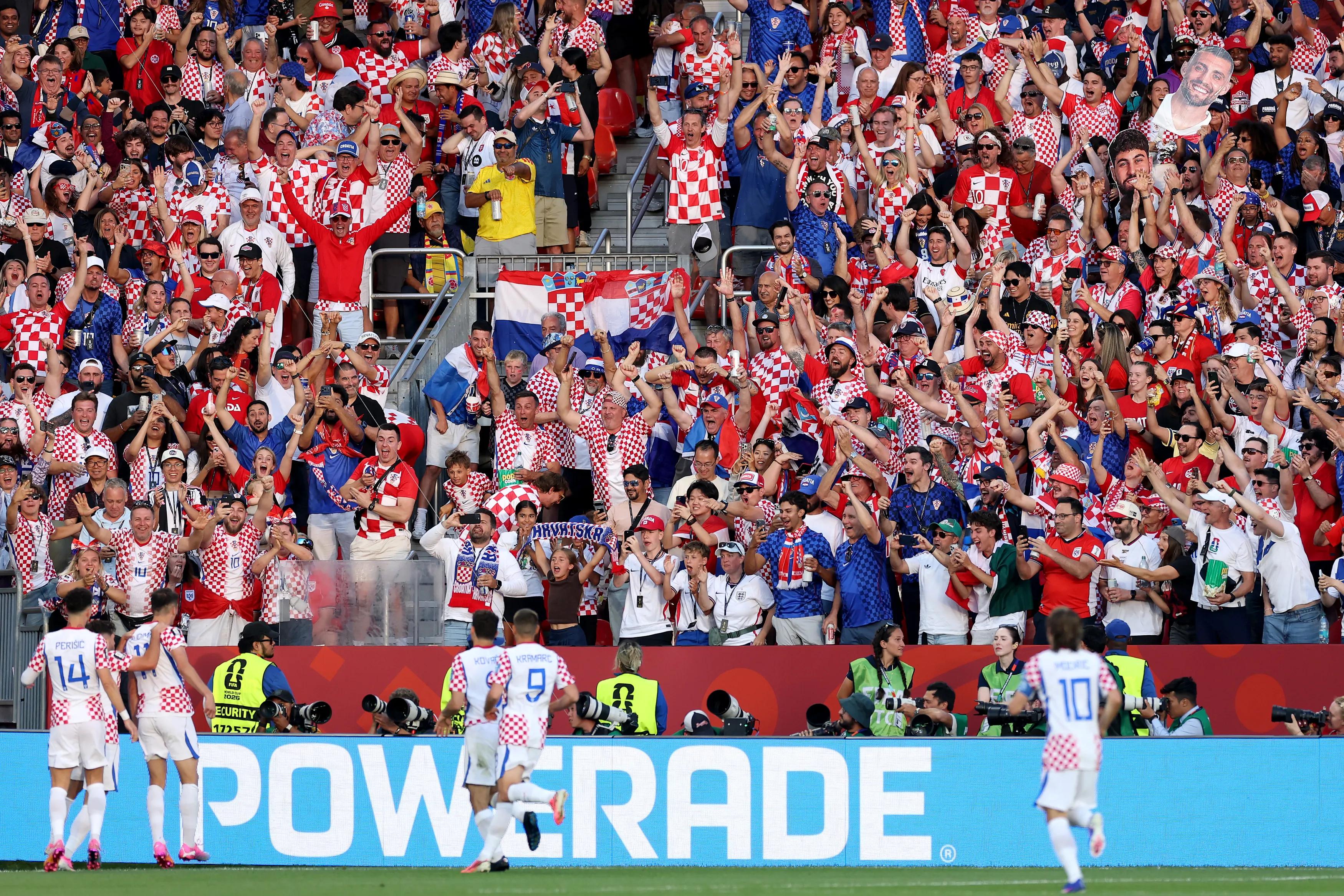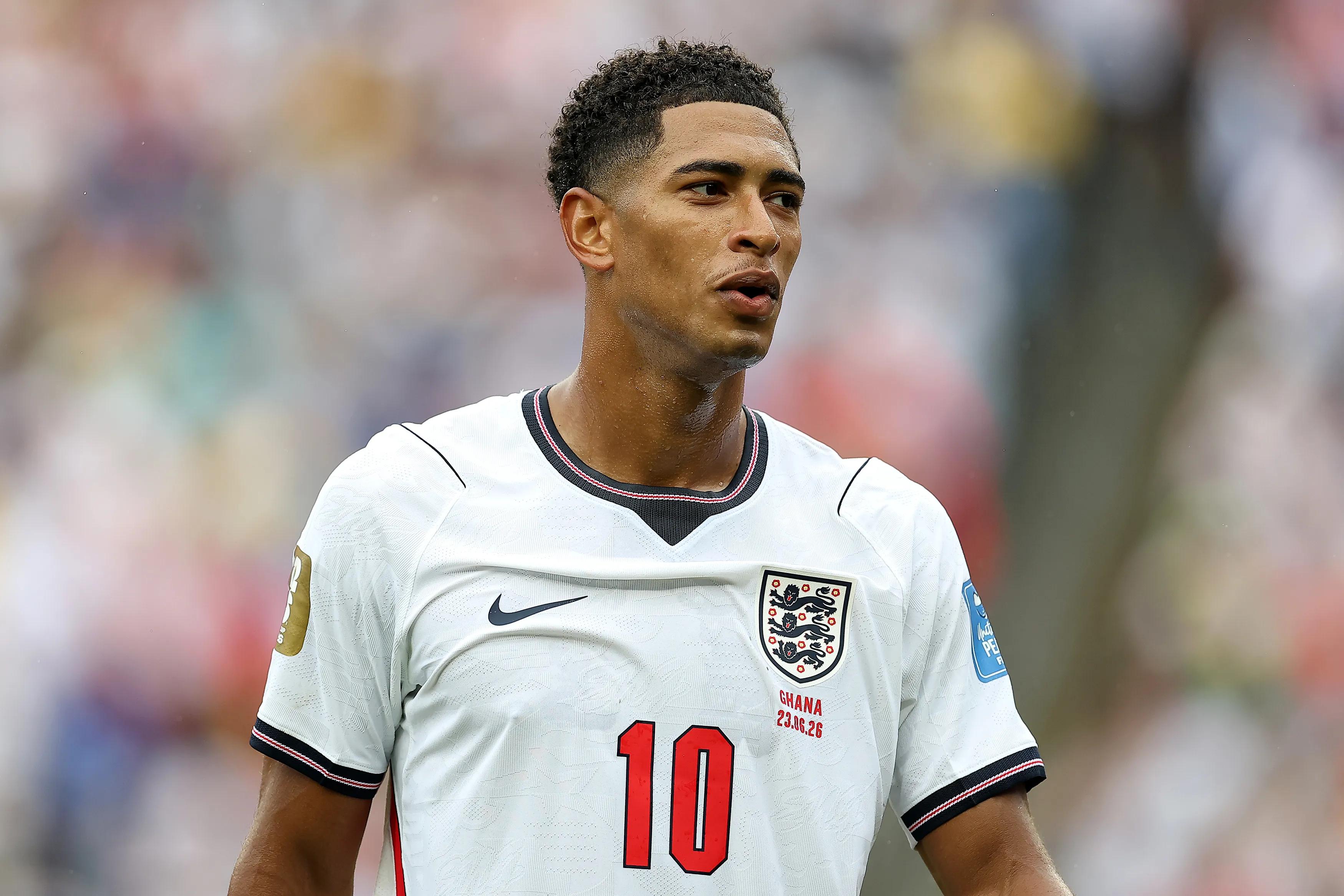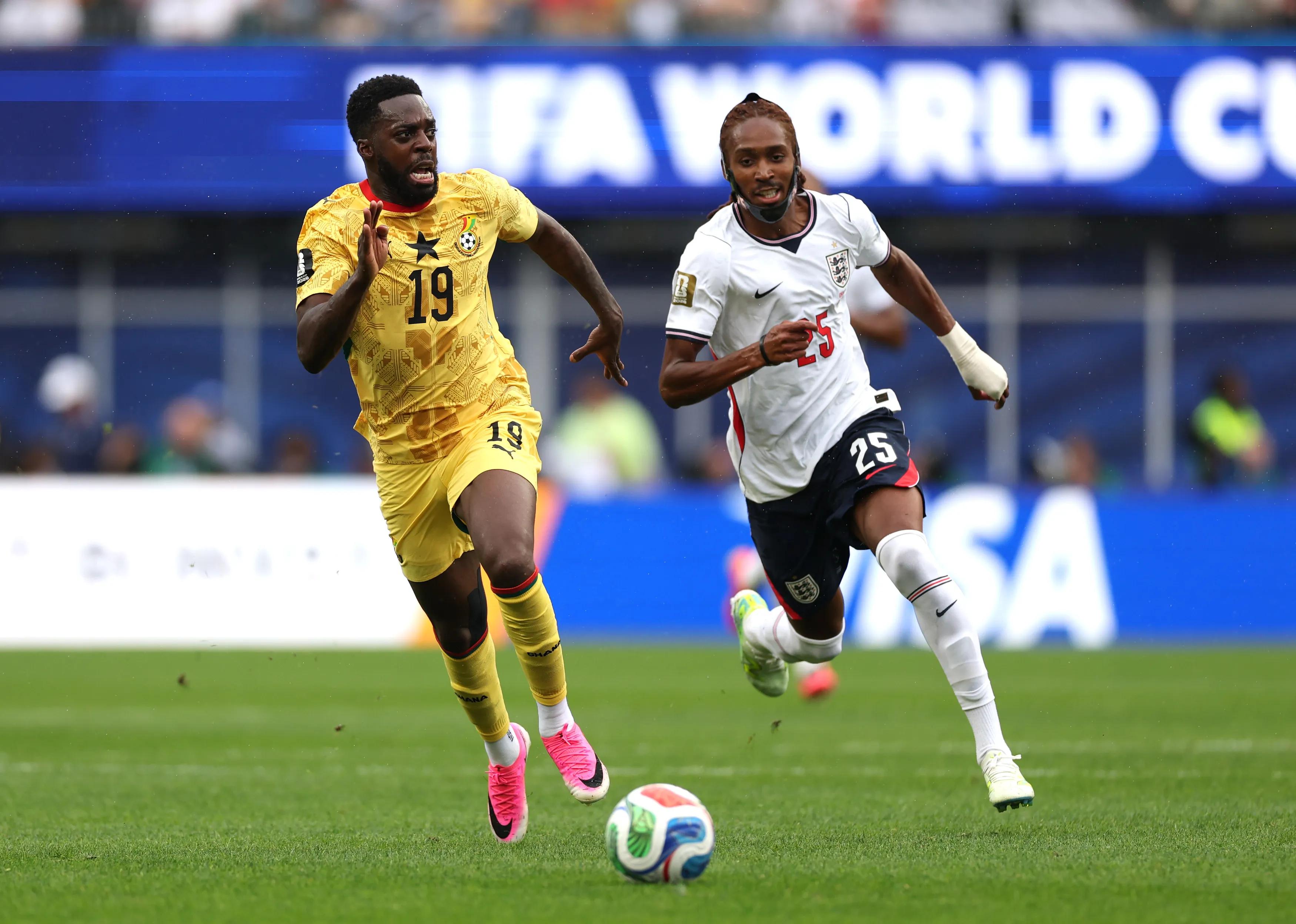
Ghana held England to a stubborn stalemate, reigniting memories of African defiance at the World Cup that stretch back to Cameroon's fairy-tale run in 1990. The result in 2026 carried echoes of a tournament where Roger Milla danced at corner flags and shattered every assumption about continental football. The Black Stars arrived at the match as underdogs, expected to fold under English pressure. Instead, they defended with discipline, countered with menace, and refused to concede the narrative that favored their opponents. By full time, the scoreboard read level, and the stadium hummed with the kind of appreciation usually reserved for the victors. For older Ghanaian fans, the evening summoned Italia '90, when an unfancied Cameroon side reached the quarterfinals and came within extra time of a semifinal berth. Milla, then 38, became the tournament's unlikely icon, his hip-wiggling celebration beamed into living rooms across Africa. That run announced the continent as a force the footballing establishment could no longer ignore. Senegal's 2002 triumph over France and Ghana's own 2010 quarterfinal, agonizingly lost on penalties to Uruguay, extended the lineage. The 2026 World Cup, hosted across North America, has offered African sides a stage free from the European and South American strongholds that often dominate the tournament. Ghana's performance against England felt like a continuation of a resistance movement decades in the making—proof that the gap between continents has narrowed even if it has not closed. In the stands, Ghanaian diaspora fans draped in red, gold, and green waved flags and sang songs that crossed the Atlantic with their grandparents. Many had traveled from cities across the United States and Canada, turning the match into a reunion of the global African family. As the players embraced at the final whistle, one truth hung in the air: African football's story at the World Cup is no longer about surprise. It is about staying power, about a continent that arrives not as a curiosity but as a contender. The torch Milla lit in 1990 still burns, and in 2026, Ghana carried it forward.
"Overlap the fullback"