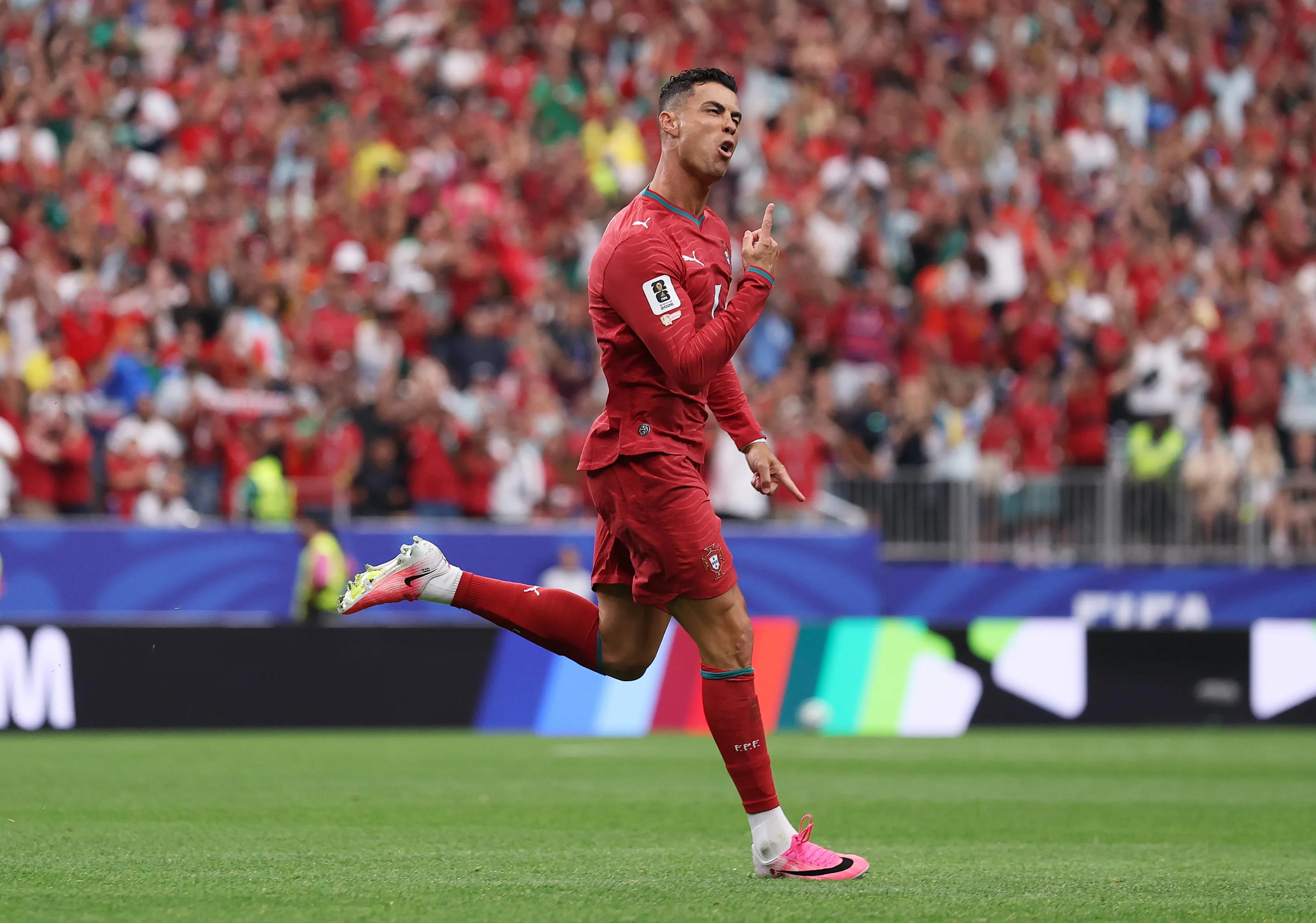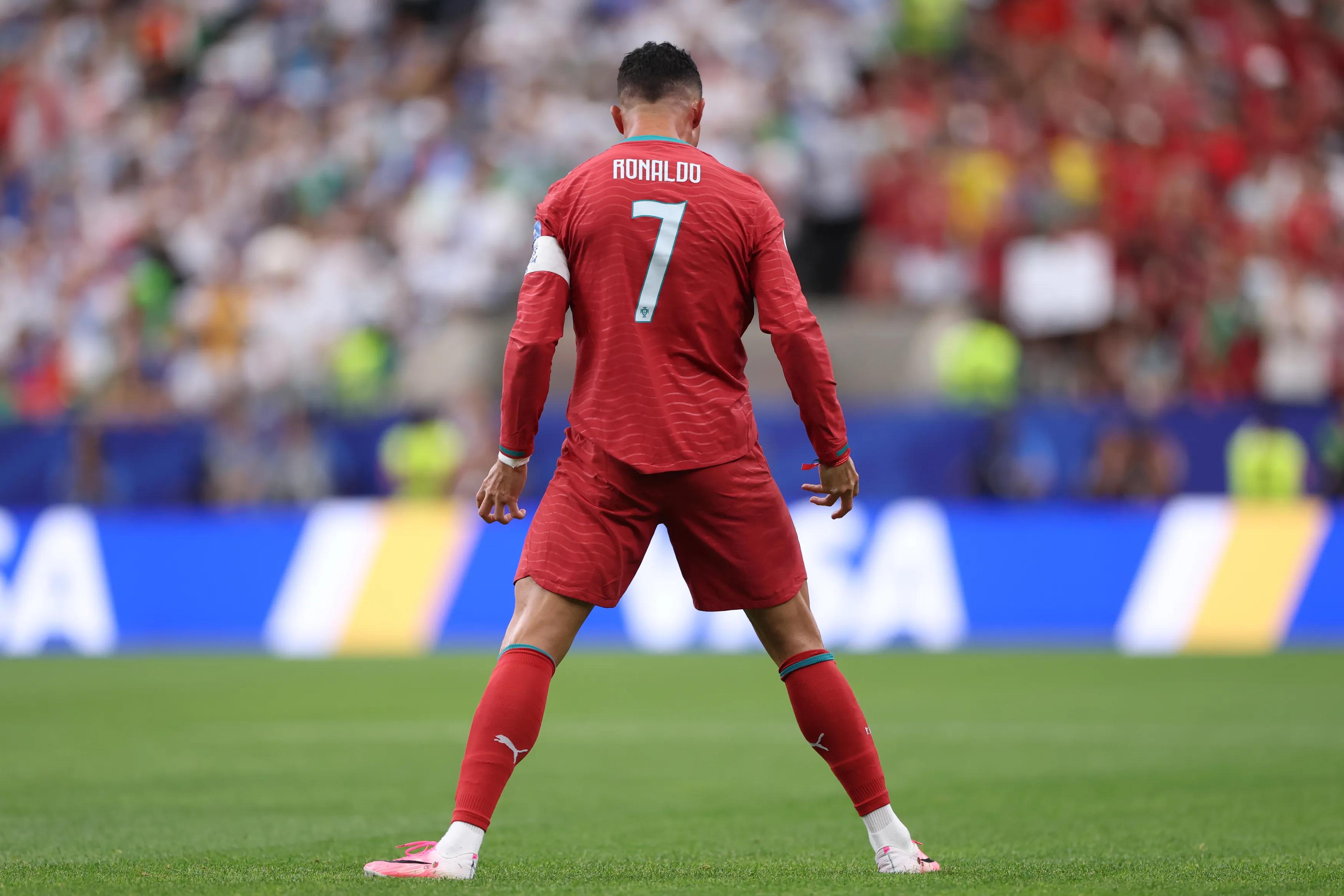
Cristiano Ronaldo found the net at 41 years old, etching his name alongside Roger Milla as football's most enduring elder statesman. The strike at MetLife Stadium sent a sellout crowd into delirium and reignited a debate about longevity that has defined the modern era. For Samuel, a 52-year-old father attending with his 19-year-old son, the goal collapsed four decades into a single breath. He had watched Milla's famous corner-flag dance at the 1994 World Cup as a boy on a boxy television set in his parents' basement. Now, seated in New Jersey beside his own child, he witnessed Ronaldo produce a moment of comparable improbability. The two men gripped each other's arms as the ball crossed the line, neither quite able to speak. The parallel between Milla and Ronaldo stretches beyond age. Both men defied the assumption that elite football belongs to the young, both reinvented their bodies to extend careers that should have ended years earlier, and both became symbols of national identity whose presence at a World Cup transcended tactics. Milla carried Cameroon to the quarterfinals in 1990 at 38; Ronaldo now leads Portugal into a tournament many assumed would arrive without him. MetLife Stadium, with its vast concourses and roaring crowds, became a cathedral for intergenerational worship. Fathers pointed at the screen explaining who Milla was. Sons scrolled highlight clips on their phones, eyes widening as the grainy 1994 footage loaded. The 2026 World Cup, spread across three nations, has created precisely these collisions of memory and present—moments when a father's hero becomes a son's hero without either fully realizing the transfer. By full time, Samuel and his son lingered in their seats long after the masses had filed out. The scoreboard still glowed with Ronaldo's name. Somewhere in that glow, a 42-year-old Cameroonian and a 41-year-old Portuguese stood side by side, united by a record neither time nor age could erase.
"Diamond midfield controls tempo"