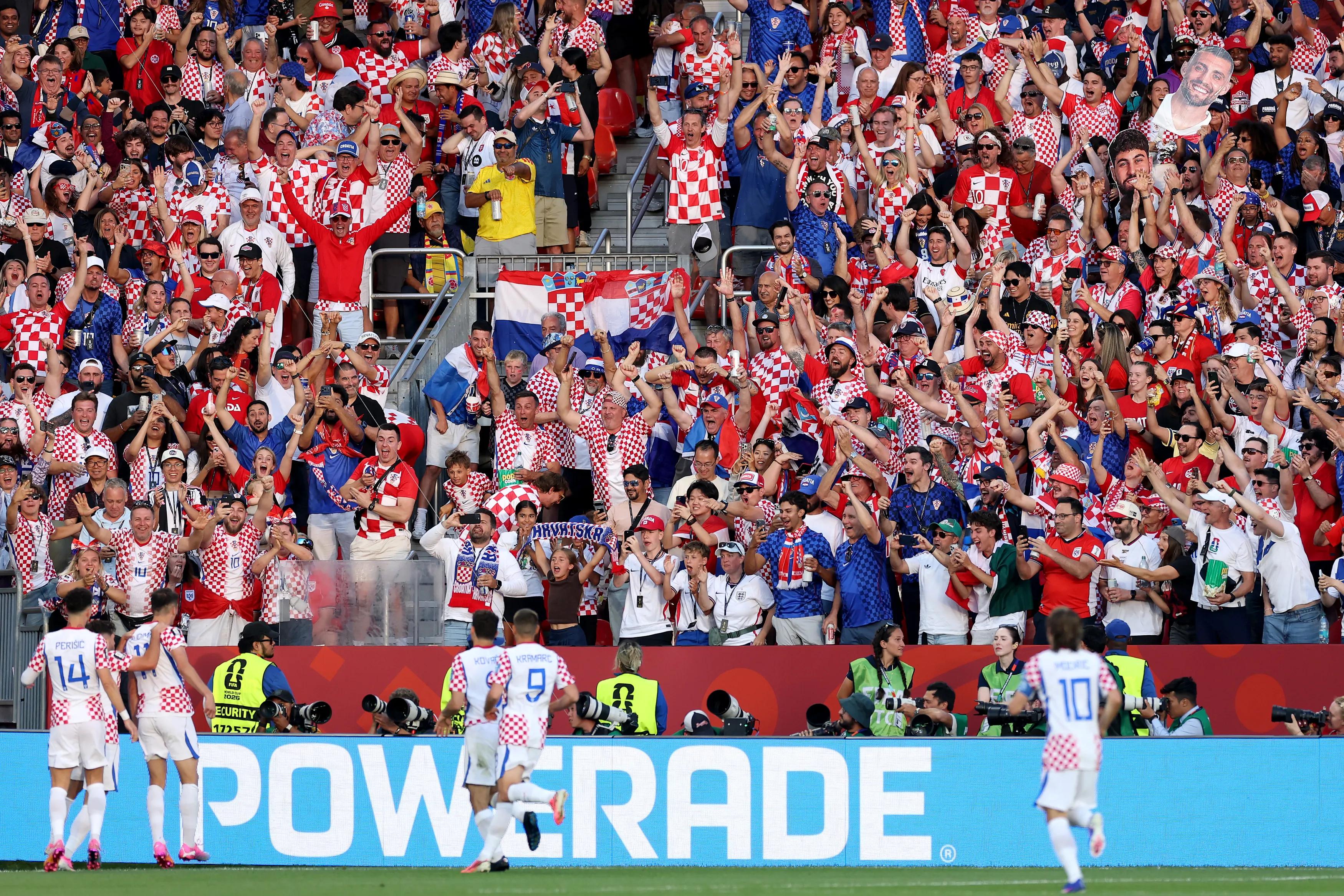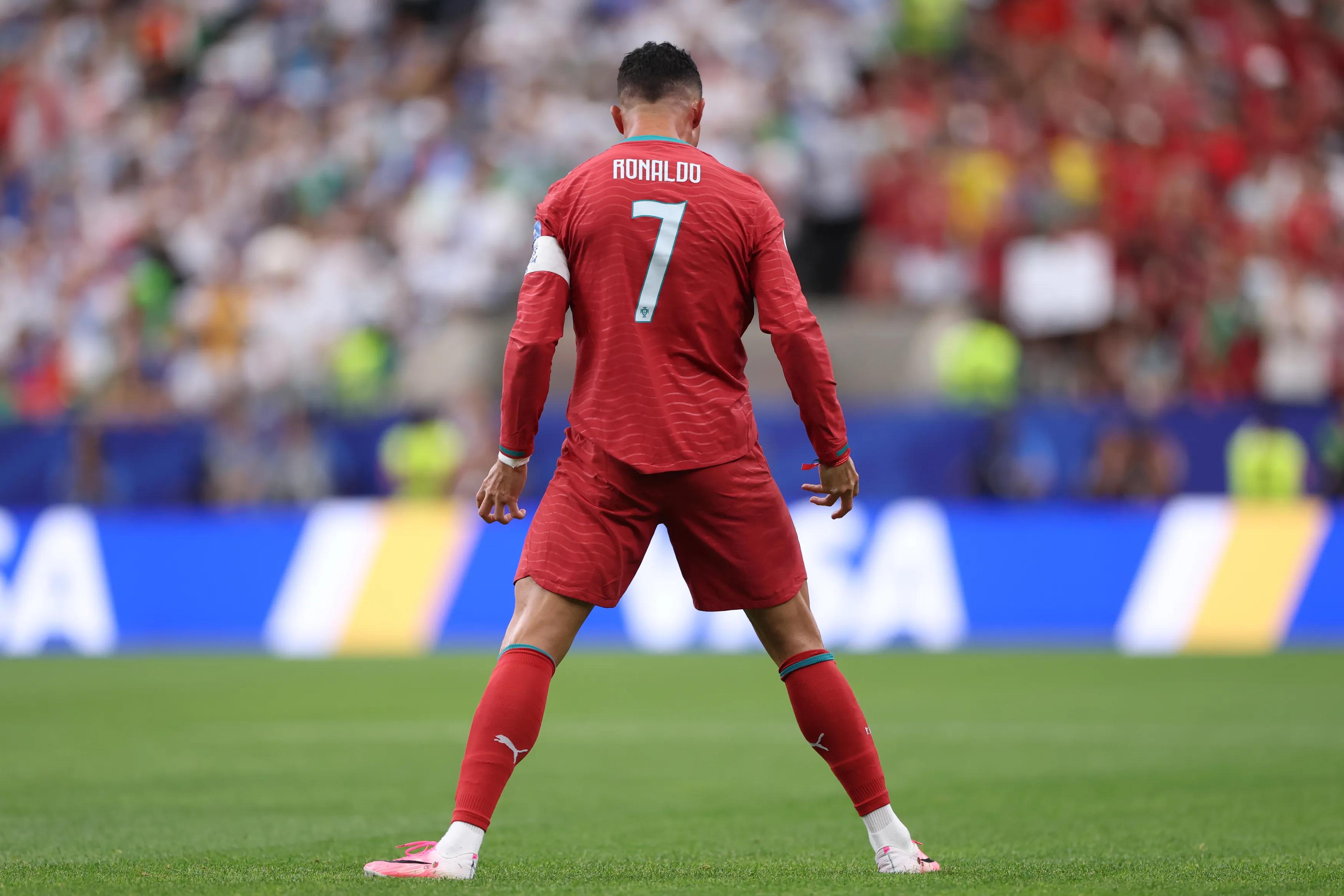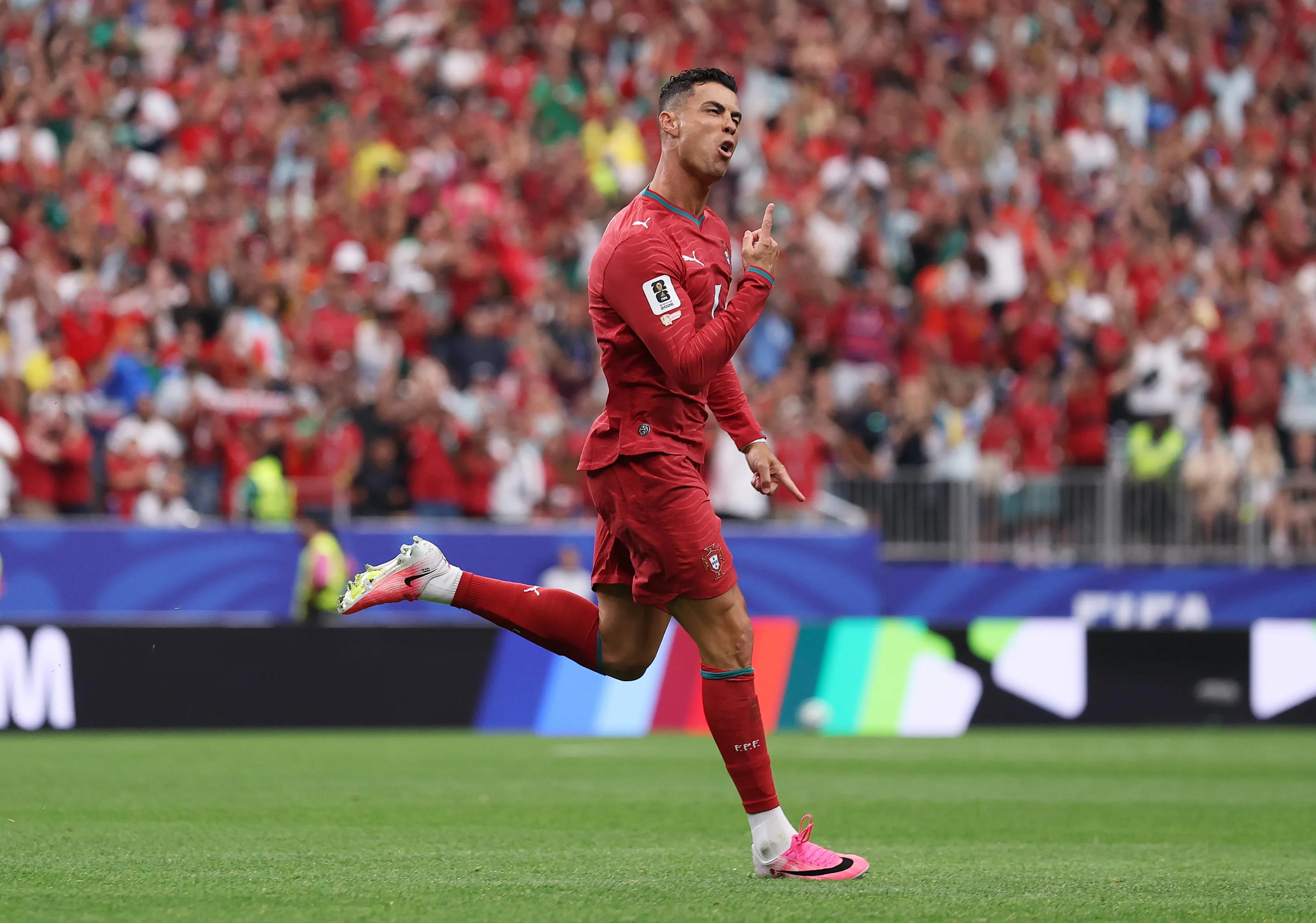
A fisherman's son from the Azores stood among 80,000 roaring fans at MetLife Stadium as Portugal dismantled their opponents in a display of attacking swagger. The night felt less like a football match and more like a homecoming staged an ocean away from home. Tiago, 34, grew up on Faial Island, where his father still mends nets at dawn and watches the sea for signs of tuna. The family emigrated to New Jersey when Tiago was nine, carrying little more than photographs and a worn Eusébio poster. The 1966 World Cup, where the Mozambique-born striker carried Portugal to third place in England, was scripture in their household. Tiago's father would recount how Eusébio wept after the semifinal loss to England, his tears said to have fallen onto the Wembley turf like rain. Now, decades later, Tiago brought his own son to watch Cristiano Ronaldo announce his arrival at the 2026 tournament with a performance that echoed Eusébio's predatory brilliance. The connection was not lost on the diaspora crowd, many of whom wore replica shirts spanning generations—some bearing Eusébio's name, others Ronaldo's, a few brave souls sporting both. MetLife Stadium has become an unlikely capital of Portuguese America. Newark's Ironbound section, home to one of the largest Portuguese communities in the United States, emptied into the stadium hours before kickoff. Restaurants reported record sales of bacalhau and pastéis de nata as fans fortified themselves for the evening ahead. The 2026 World Cup, spread across North America, has given diaspora communities a tournament within reach for the first time in a generation. For Tiago's father, watching on a livestream from the Azores, the sight of his grandson waving a Portuguese flag in New Jersey closed a circle that began with a black-and-white photograph of Eusébio. Distance, he would later tell his son over a crackling phone line, means nothing when the heart knows where it belongs.
"Possession is nine tenths"